

Critical Shifts:
-
A Widening Retail Divide: Independent dealer sentiment remains weak at 40 compared to franchise sentiment at 53, as inventory shortages continue to widen the gap between franchise and independent dealerships.
-
The Sourcing Battlefield: Struggling consumers are being squeezed out of the new-car market by a 9.6% average loan rate, shifting heavy incremental demand toward used vehicles and creating fierce dealer competition in wholesale lanes.
-
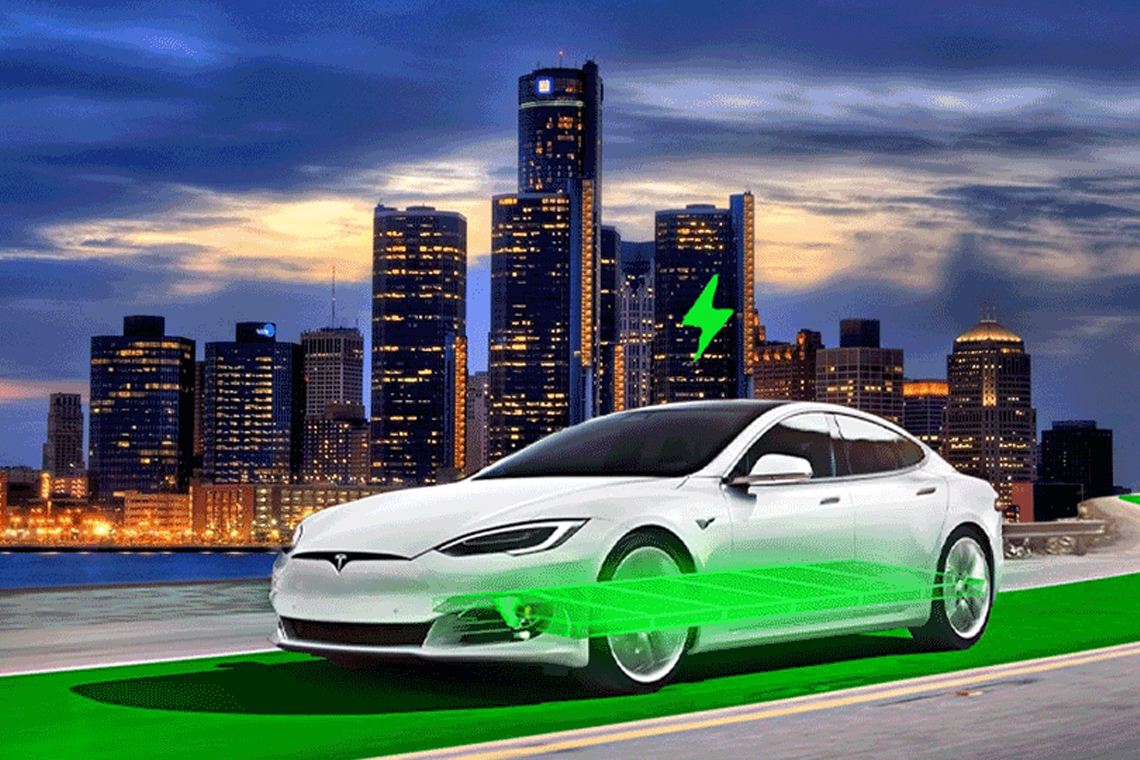
The Used EV Sourcing Windfall: A massive wave of three-year-old off-lease EVs will head straight to auction lanes because their current market values are deeply underwater relative to their original contract residuals, providing a major inventory pipeline for independents.
-
"Mid" is Still In: Consumer demand is actively consolidating away from both ultra-premium and entry-level vehicles toward practical value, making midsize cars, midsize trucks, and midsize SUVs the fastest-turning segments.
_____________________________________________________________________
The U.S. automotive industry is navigating a complex economic landscape at the midpoint of 2026. For independent auto dealers, resilience remains the defining theme—but it comes with significant operational challenges. According to the Cox Automotive Mid-Year Review, while overall consumer demand has remained relatively stable, a widening gap between franchise networks and independent dealers is shaping a market of "haves and have-nots."
Independent operations continue to face tighter inventory availability and a customer base feeling the effects of persistent inflation and elevated borrowing costs. At the same time, trends in the wholesale market and a growing pipeline of off-lease electric vehicles (EVs) could create new sourcing opportunities for dealers willing to adapt.
1. The Sentiment Divide: Independent Dealers Continue to Face Headwinds
While the spring selling season provided a lift to the broader market, dealer sentiment highlights a notable disconnect between franchise and independent operations.
Current Sentiment: Overall dealer sentiment improved to 43 in the second quarter. Franchise dealers returned to positive territory with a reading of 53, up five points from the first quarter. Independent dealer sentiment, however, remained weaker at 40.
The Sourcing Challenge: Much of the 13-point gap reflects inventory availability. Independent dealers continue to report greater difficulty sourcing affordable, retail-ready vehicles.
A More Cautious Outlook: Looking ahead, the future market index declined from 56 to 47 as persistent inflation, fluctuating fuel costs and broader economic uncertainty tempered dealer expectations. More than half (55%) of surveyed dealers identified the overall economy as their primary business challenge.
2. Deciphering the Affordability Challenge
For many consumers, monthly payment shock remains the biggest obstacle to purchasing a vehicle. Yet the data suggests vehicle pricing alone does not fully explain today's affordability concerns.
Using the Honda CR-V LX as an example, the average transaction price increased from roughly $28,000 in 2016 to approximately $39,000 in 2026. After adjusting the 2016 price for cumulative Consumer Price Index (CPI) inflation, that vehicle would cost about $38,300 today. Its current transaction price of roughly $38,700 indicates that, in inflation-adjusted terms, vehicle pricing has remained relatively stable while offering substantially more standard safety, technology and convenience features.
The larger affordability challenge stems from financing costs. Average new-vehicle loan rates remain elevated at approximately 9.6%. Combined with consumer spending that continues to outpace income growth, higher borrowing costs have significantly increased monthly payments, making affordability a growing concern for many buyers.
3. The Used Vehicle Battlefield
As higher new-vehicle prices continue to place ownership out of reach for many consumers, more shoppers are turning to the used market. That shift is intensifying competition for quality used inventory.
Retail Demand Remains Resilient: Used retail sales volume is down only about 2% year-to-date. Given that last year's comparisons were influenced by tariff-related buying activity, the modest decline suggests underlying demand remains healthy.
Wholesale Values Stay Elevated: Competition in the wholesale market remains intense as independent dealers compete alongside franchise dealers and large national retailers for limited inventory. As a result, the average Manheim Market Report (MMR) value remains an unseasonably strong 103.4% of Week 1 levels.
Pressure on Entry-Level Buyers: Consumer preferences continue shifting toward practical value. Interestingly, the most affordable new-vehicle segments—those priced below $40,000—have experienced sales declines as many budget-conscious buyers increasingly migrate to the used market.
4. The Used EV Opportunity
For independent dealers seeking additional inventory sources, one of the most significant developments in the mid-year report is the continued strength of the used EV market. Used EVs are outperforming other powertrains in seasonal value appreciation.
Strong Demand: Used EV retail sales have grown approximately 25% year over year, reflecting increasing consumer interest as buyers seek lower operating costs and attractive pricing.
The Three-Year-Old Sweet Spot: Wholesale values for three-year-old EVs have risen roughly 14% above Week 1 levels, compared with approximately 3.5% for comparable internal combustion engine (ICE) vehicles.
Growing Auction Supply: Many EVs leased several years ago were assigned residual values based on much higher original MSRPs than today's market supports. As a result, many of these vehicles now have negative lease equity.
A Potential Sourcing Advantage: Because many lease residual values remain above current market prices, a larger share of off-lease EVs may return through wholesale auctions rather than being purchased by lessees. Unlike many gasoline and hybrid vehicles—which often remain within franchise channels because of positive lease equity—used EVs could represent an expanding source of competitively priced inventory for independent dealers.
5. Strategic Blueprint for the Second Half of 2026
The data suggests the automotive market is entering an important transition period. While inflation has shown signs of moderating and credit availability has improved to an index reading of 110.9, independent dealers may benefit from adjusting their inventory strategies to match changing market conditions.
Expect Continued Competition for ICE and Hybrid Inventory: High-quality, low-mileage gasoline and traditional hybrid vehicles are likely to remain in strong demand, with positive lease equity continuing to limit wholesale availability and keep bidding competitive.
Prepare for More Used EV Opportunities: Dealers should ensure their service departments and sales teams are prepared to evaluate, recondition and market used EVs effectively. Retail supply remains relatively tight at approximately 31 days, suggesting demand continues to support well-priced inventory.
Focus on the Mid-Market: Consumer demand continues to favor practical, value-oriented vehicles. Midsize cars, midsize trucks and midsize SUVs have demonstrated relative strength as buyers prioritize affordability, versatility and long-term ownership value.
For independent dealers, success in the second half of 2026 will likely depend less on waiting for market conditions to improve and more on adapting sourcing strategies to where inventory opportunities are emerging. While traditional used inventory remains fiercely competitive, the evolving used EV market may provide one of the industry's most promising opportunities for dealers prepared to capitalize on it.
________________________________________________
*Editor's Note: This article summarizes key findings from the Cox Automotive Mid-Year Review and discusses their potential implications for independent auto dealers.
