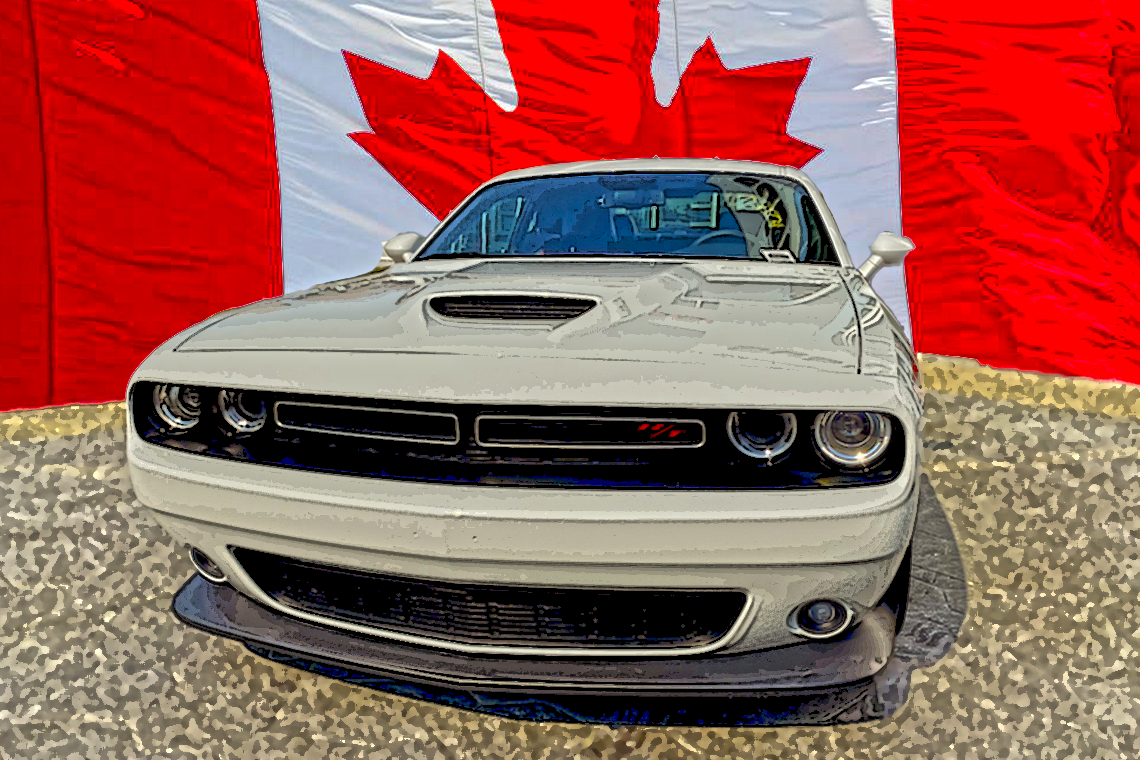
The intersection of macroeconomic conditions and the upcoming USMCA review has made cross-border wholesale buying a more strategically important part of the used vehicle market. For independent dealers operating in the U.S. or near the northern border, understanding how currency movements and trade policy interact is increasingly important for protecting margins.
_______________
1. The Exchange Rate Advantage: A Strong U.S. Dollar
The U.S. dollar has remained strong against the Canadian dollar in recent periods, creating a meaningful currency advantage for U.S. buyers sourcing inventory from Canadian auctions.
Increased Purchasing Power:
For U.S. independent dealers purchasing vehicles at Canadian wholesale auctions such as Manheim Canada or ADESA, exchange rates can improve purchasing power before bidding even begins. A stronger U.S. dollar effectively lowers acquisition costs when converting Canadian auction prices into U.S. dollars.
Margin Opportunity:
Even after accounting for transport, brokerage, reconditioning, and compliance costs, certain Canadian-sourced vehicles can still present competitive pricing opportunities in U.S. retail markets. Profitability depends heavily on vehicle segment, market timing, and total landed cost discipline.
______________
2. Compliance and Cross-Border Friction
While currency conditions can make Canadian inventory attractive, cross-border trade still requires careful attention to documentation and import compliance.
U.S. Customs and Border Protection (CBP) enforces standard import requirements for vehicles entering the United States, including verification of origin, safety compliance, and proper documentation. These processes are routine but can affect timing and logistics depending on the vehicle and paperwork quality.
Managing Cross-Border Risk
Factor in Float Time and Landed Cost:
Cross-border vehicle purchases include transport, brokerage, and compliance-related costs that can vary by vehicle type and condition. Dealers should also account for processing timelines that may extend from several days to several weeks depending on documentation completeness and inspection requirements.
Verify Vehicle Origin and Compliance:
Dealers should confirm manufacturing origin and compliance status using the VIN and supporting documents. While many Canadian-market vehicles are straightforward to import into the U.S., requirements can vary depending on model year, specifications, and prior market configuration.
It is important to distinguish between USMCA trade rules (which primarily govern tariff-free treatment of qualifying North American production) and standard vehicle import requirements, which still apply regardless of trade agreement status.
Use FX Risk Management for Larger Purchases:
Currency fluctuations can impact profitability on larger cross-border purchases. Dealers with significant Canadian sourcing exposure may benefit from basic foreign exchange tools offered through banks or floorplan providers to help stabilize acquisition costs.
________________
The Bottom Line for Independent Dealers
There is no immediate disruption expected from the 2026 USMCA review process, which remains a structured policy evaluation rather than a sudden policy shift.
However, because the review creates the possibility of future changes to North American trade rules, it introduces a degree of long-term uncertainty for automotive supply chains. At the same time, current currency conditions continue to present sourcing opportunities for U.S. dealers buying Canadian inventory—provided that compliance, logistics, and pricing discipline are carefully managed.